Some months ago, much to my surprise, my dentist gave me a thumbs up, a clean bill of oral health. For someone who’s had braces, fillings, and deep cleanings throughout my life, this was some of the best news I’ve received in 2026. For the first time in my life, I have no cavities, and therefore have no need for costly procedures.
However, before leaving I was warned about mild bruxism.
Apparently, unbeknownst to me, I’ve been grinding my teeth at night, slowly sanding my molars down. The culprit: stress and social media. Social media has a way of sucking us into an addictive cycle of consumption, an access to unlimited bits of perturbing information and misinformation, flooding us with negative emotions and an unbearable cognitive dissonance.
To make the most of my evenings sans social media, I’ve been intentional about spending more time doing mindful activities, both indoors and outdoors.
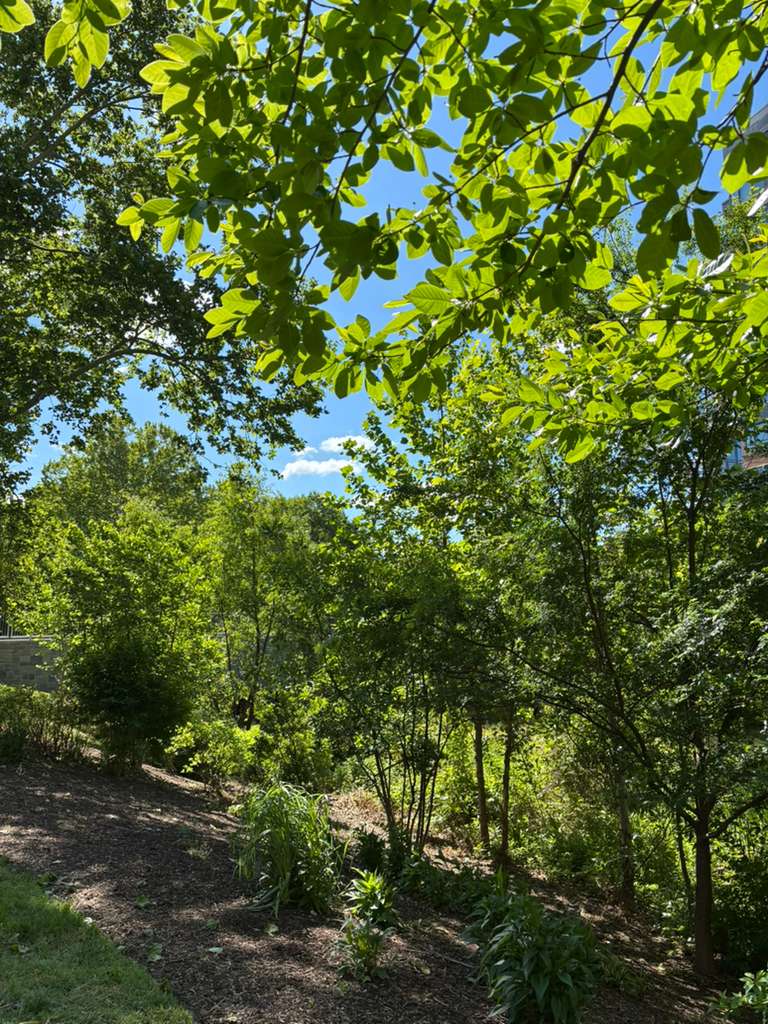
On gloomy days, my husband knits and I read. Two blossoming octogenarians trapped in youthful (sculptural, one might say) bodies. I’ve also been going on walks in a small ecological corner of my urban neighborhood. This small park, purposefully built to house native flora and fauna, contains a gorgeous pond which connects to a large river flourishing with city trash. I’ve spotted fish of all sizes, turtles, some female red-winged blackbirds and one spectacular male, sparrows, European starlings, ducks, insects, and the occasional thank you plastic takeout bags.
Note that I am distinguishing between male and female red-winged blackbirds because I am approaching the age where one becomes particularly interested in birds.
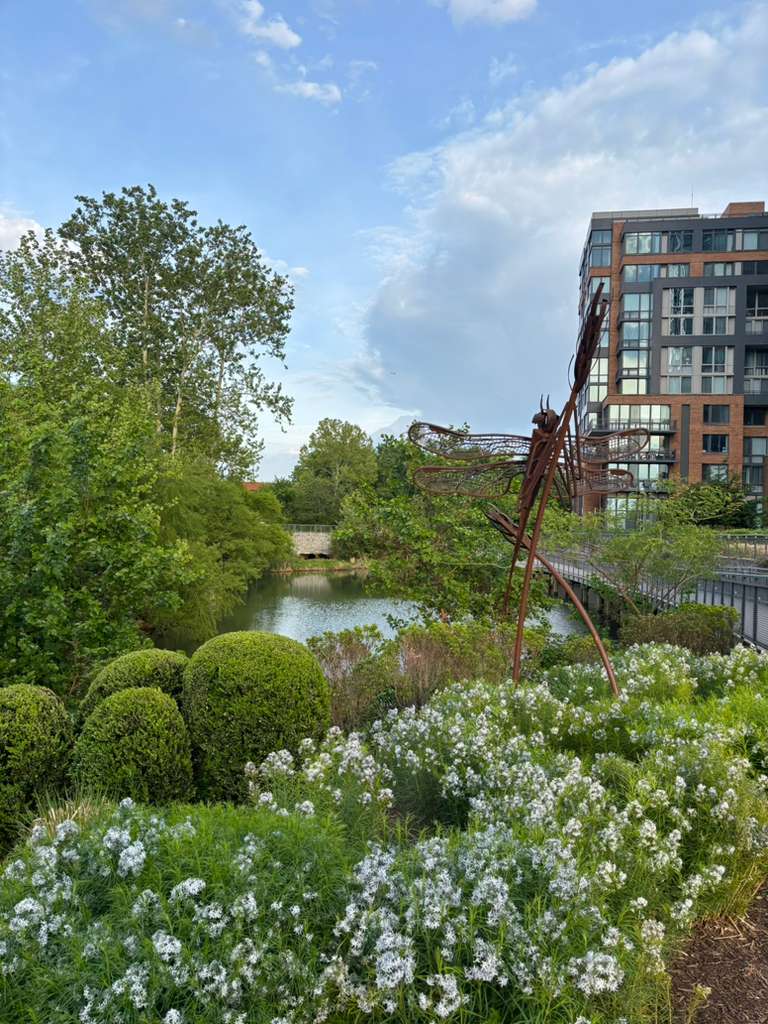
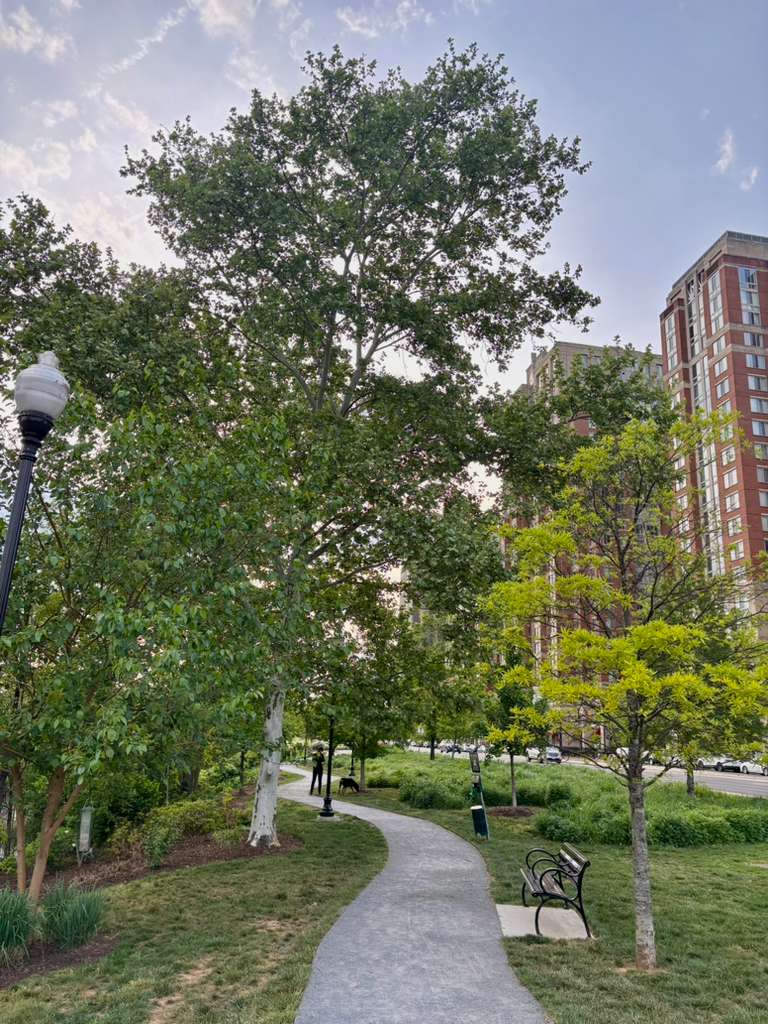
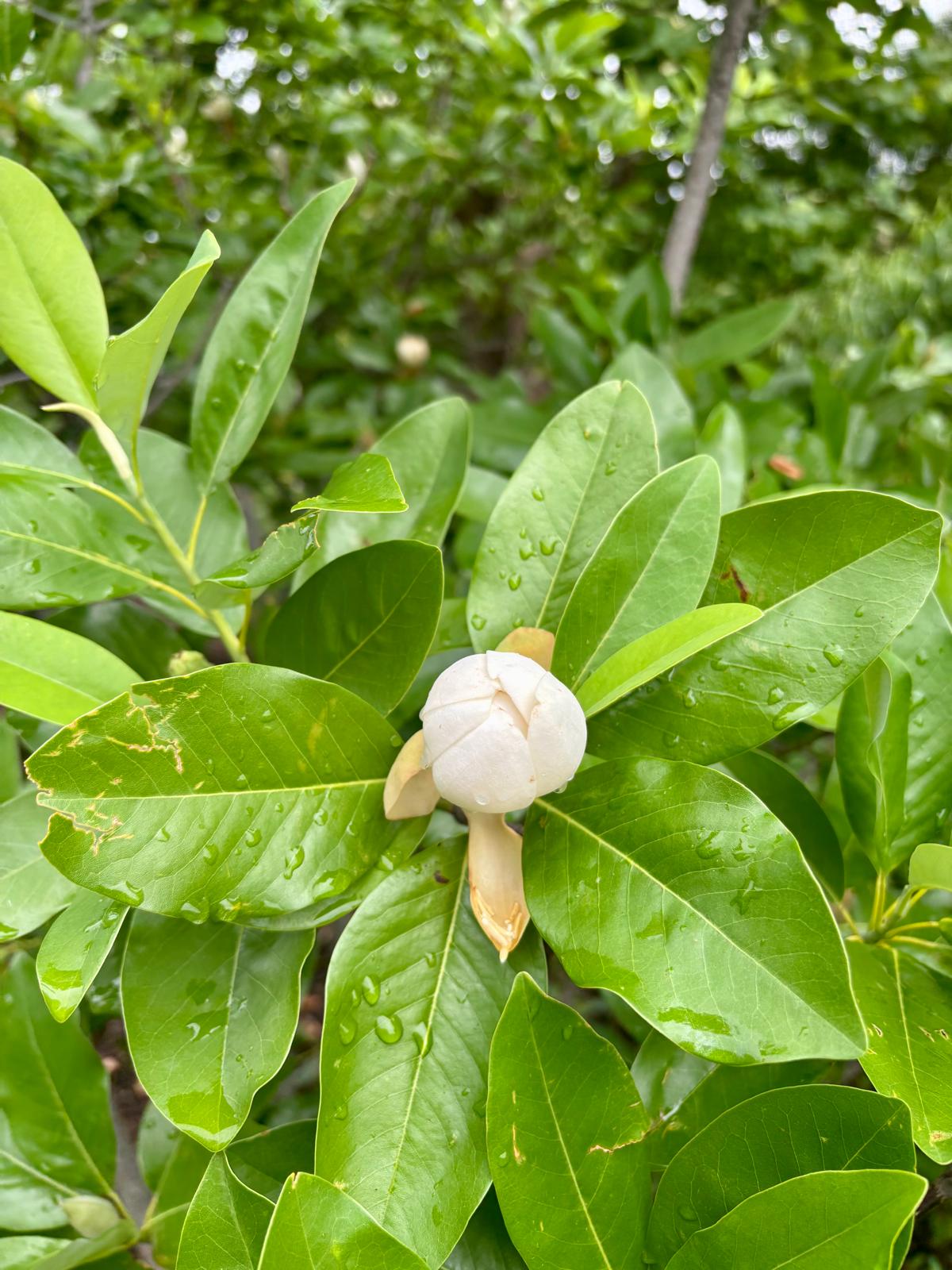
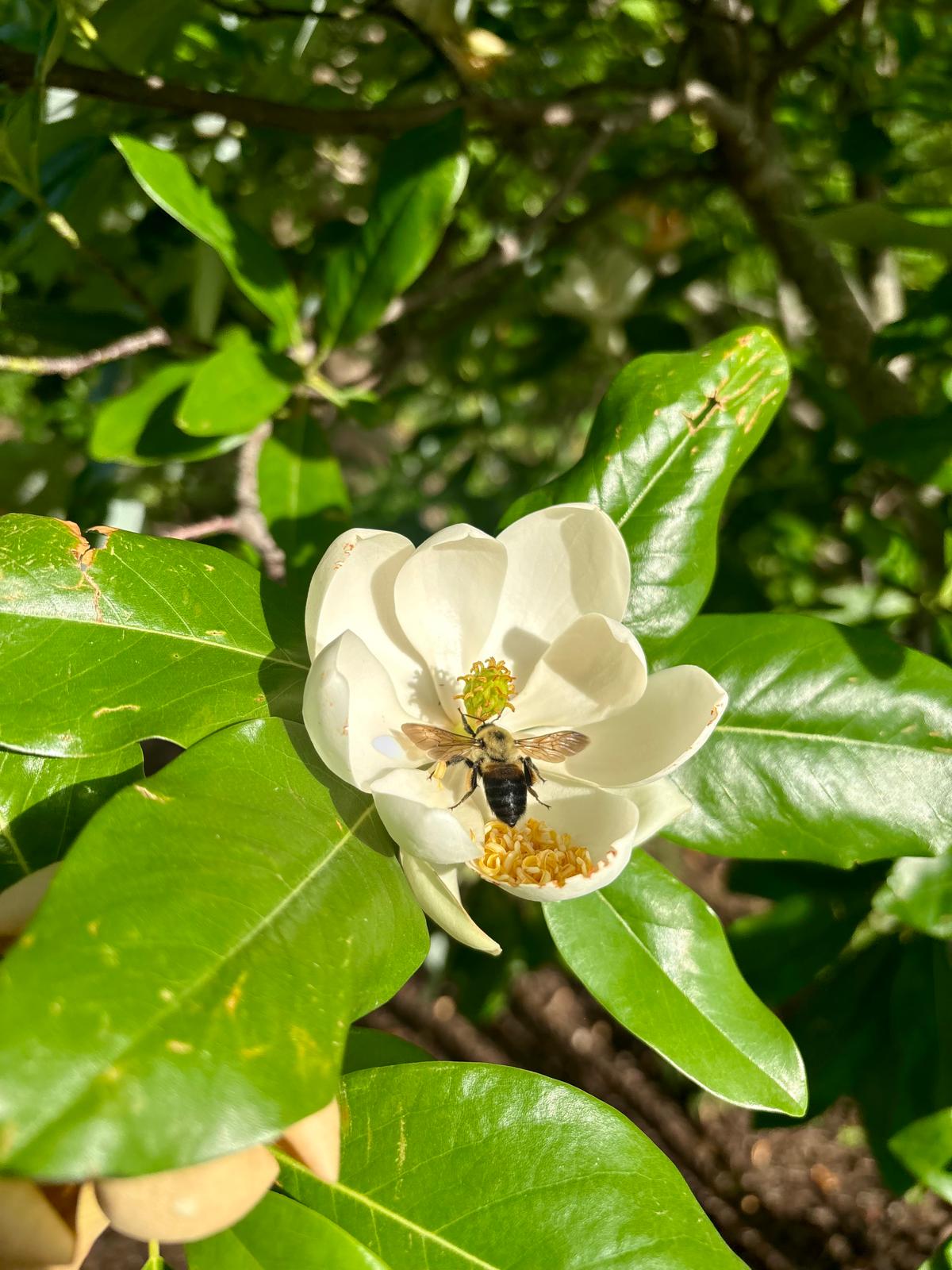
A flower of the Sweetbay Magnolia (Magnolia virginiana), in the evening vs. the morning two days after.
This Spring I’ve been particularly captivated by the Sweetbay Magnolias that bloomed in May. When I first came across these trees, I noticed the smell. After coming back to them several times over the course of a week, I realized that the flowers open and close depending on the time of day—all of this a delicate evolutionary dance to trap pollinators and ensure cross-pollination.
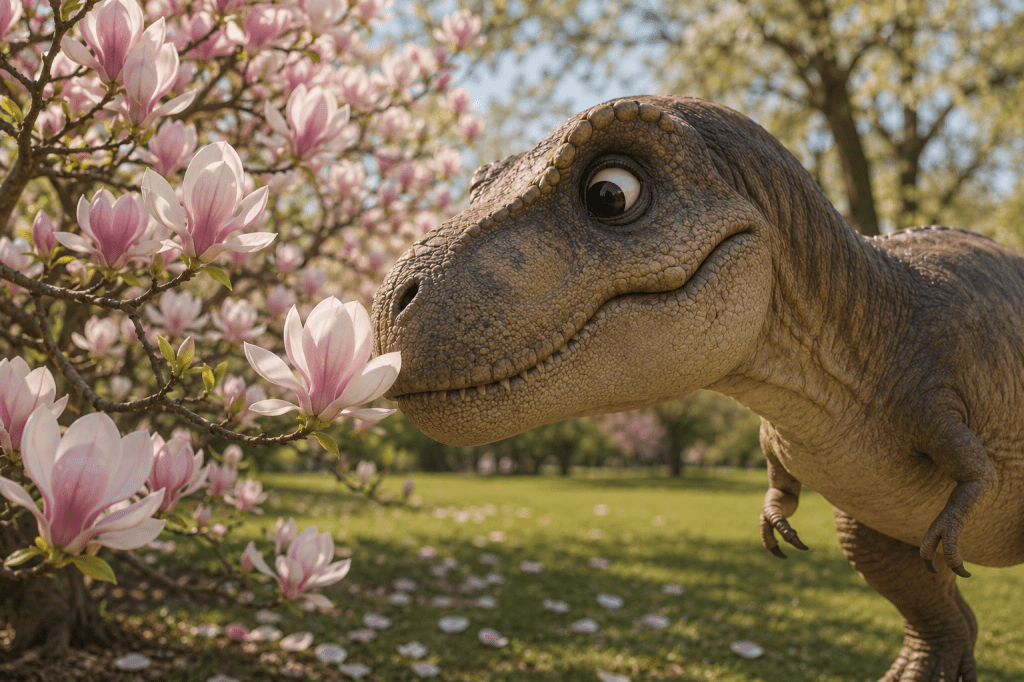
Earth is 4.6 billion years old. The first magnolia trees appeared during the Cretaceous period, about 95-100 million years ago, long before the bees and butterflies. During this time, dinosaurs were around as well, before going extinct around 65 million years ago. This means that for some considerable time, T. rex and other non-avian dinosaurs predating them roamed around smelling and savoring the same flowers I’ve been sniffing.
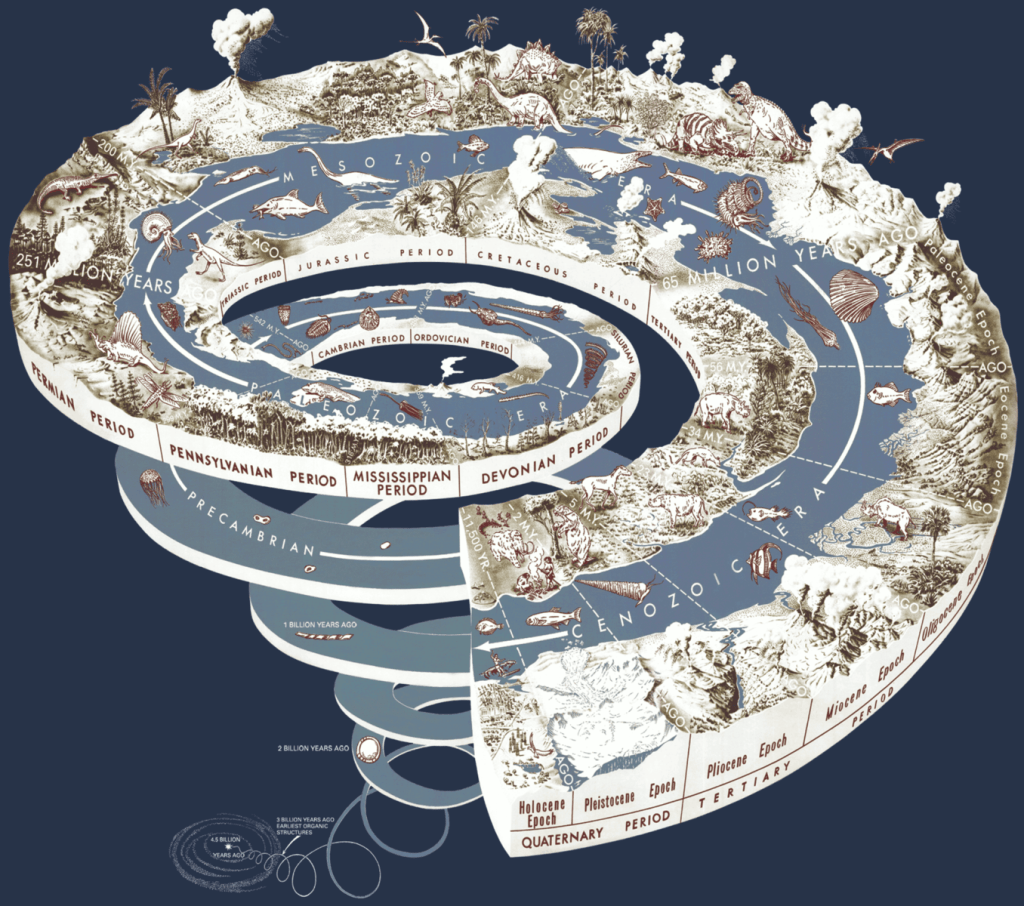
To put this into perspective, geologists have often sought to represent time (deep time) in a way that’s easier to grasp conceptually rather than just spouting numbers. If a modern calendar year represents the 4.6 billion years since Earth formed, November 19 would mark the period when abundant life was first established during the Cambrian period (think mollusks and sponges). In mid-December, dinosaurs would appear and then go extinct shortly thereafter, about 9 days later. On December 31st, the last ice age would occur during the Quaternary period. And, we humans, one of the most destructive and constructive forces in the history of Earth’s biosphere, would be licking the boot of the last milliseconds on December 31st.
Among the many figures of history who’ve sought to unravel the age of our giant rock, such as Herodotus, Isaac Newton, Lord Kelvin, it was Mark Twain who understood our insignificance the most. He famously equated geological time with the height of the Eiffel Tower and correctly estimated that the entirety of human history was equivalent to the thickness of the paint at the very tippy top.
In May, as I stand observing these magnolias, December 31st seems so far away.